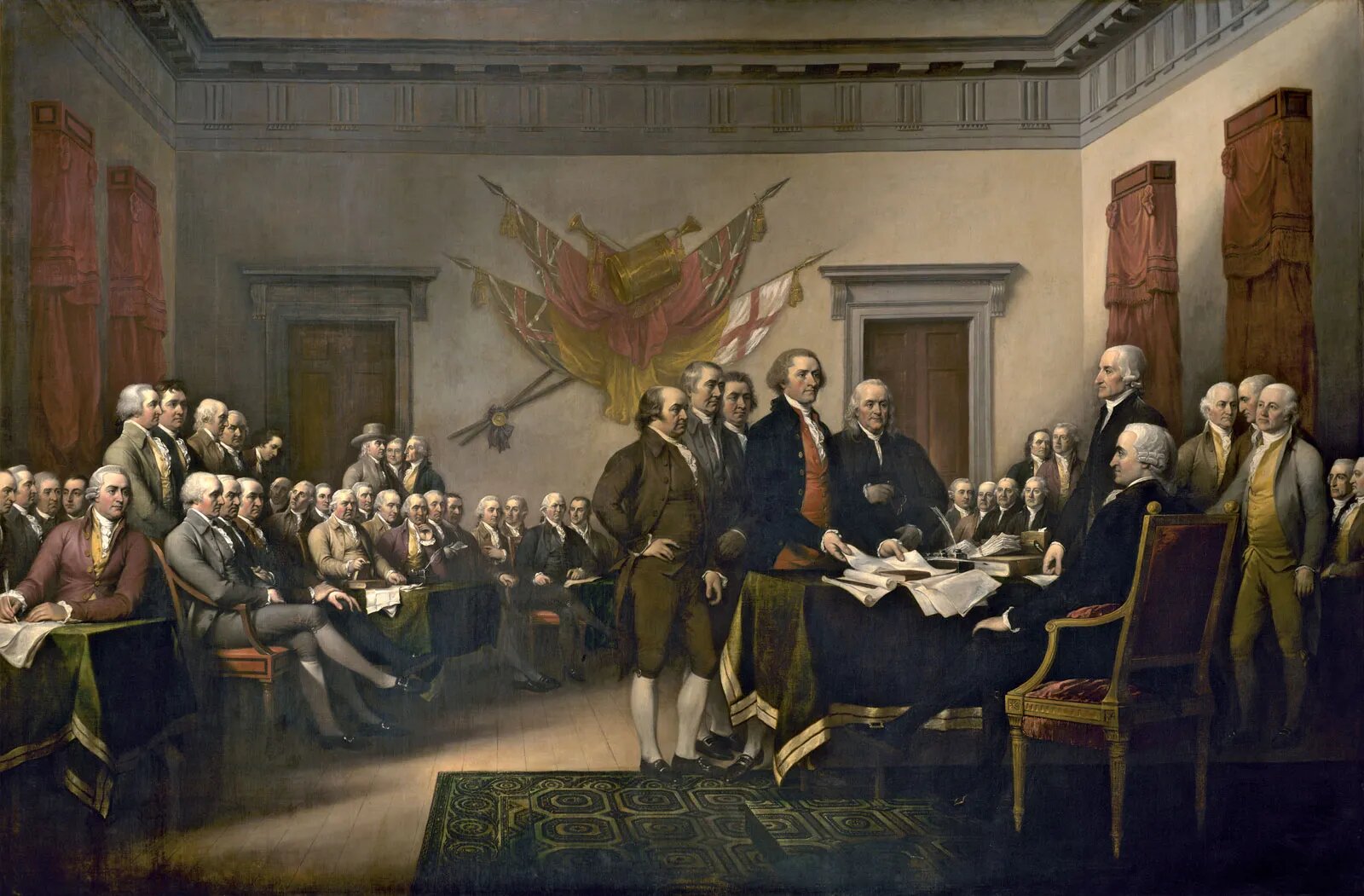
September 8, 2025. Texas 404th District Court, Brownsville, Texas.
A Father and a Grandmother, both hispanic, stand before a Judge. Each has a lawyer, male and female respectively. The Judge is a white man. The Grandmother has a translator (Spanish).
They are arguing over visitation. The (ex)Wife is deceased and the Grandmother has brought the Father into court because of a dispute over visitation of the Father’s Son. It’s unclear exactly, but it seems there was some dispute over visitation not happening in July, with each having their own sides to the story.
The Father for some reason did not want unsupervised visitation, and did not want the Grandmother to talk about the Mother during visitation. The Grandmother wanted the opposite. The Father also said that he was concerned for the safety of his child, without any discernable explanation.
The Judge interrogated the Father, speaking over him, asking whether he had ever seen the Grandmother drink. No. Do drugs? No. Whether he could point to any specifics? No. The Father tried to respond to the Grandmother to give his position on communication issues with visitation in July. The Judge interrupted and spoke over him, and when the Father kept speaking he was told to be quiet by the (female) Bailiff.
A perfect scene of humiliation for the Patriarchy. A Father with neither rights nor respect.
Judge – “I’m not pointing fingers or saying who’s right or wrong here,” but “I don’t want that relationship to be lost.” According to the Judge, he’d “heard nothing that would change my mind on that.”
The Father asks after this what if his son doesn’t want to go? The Judge bluntly tells him, essentially, well then you make him. Right after he says this, as if to elaborate on his reasoning, the Judge states, “A parent makes decisions for the child.”
In other words, you force your son to go visit his grandparent when he doesn’t want to, because it’s not the child’s decision it’s yours. That’s called being a parent.
Of course, lost on the Judge was the irony that he was overriding the actual Father’s decision at that very hearing not 15 second prior.
What he should have said was, “A parent makes decisions for this child, except when you get divorced,1 then I get to make decisions for your child.”
Judge’s Whim vs. Father’s Judgment
A Father should have not have to justify why he wants to deny a Grandparent visitation, and neither should a Mother. The burden of proof should be on the Grandparent to override the natural rights of a Parent over a Child, and the only acceptable burden of proof must be this: if the Parent has so egregiously violated their child’s rights that they should lose custody.
That was not the case here. There was no indication that the Father was being a bad Parent to his Son such that he should lose custody. The only issue was the decision that the Court disagreed with of denying Grandma the type of visitation that she wanted, rather than her visitation being at his discretion and subject to his conditions as the Father.
The Court subjected the Father to an Amicus (friend of the Court, enemy of the child) to decide a visitation schedule with Grandma.
How could this happen?
The Statute
Texas Family Code 153.433 states the following, relevant parts in bold:
Sec. 153.433. POSSESSION OF OR ACCESS TO GRANDCHILD. (a) The court may order reasonable possession of or access to a grandchild by a grandparent if:
(1) at the time the relief is requested, at least one biological or adoptive parent of the child has not had that parent's parental rights terminated;
(2) the grandparent requesting possession of or access to the child overcomes the presumption that a parent acts in the best interest of the parent's child by proving by a preponderance of the evidence that denial of possession of or access to the child would significantly impair the child's physical health or emotional well-being; and
(3) the grandparent requesting possession of or access to the child is a parent of a parent of the child and that parent of the child:
(A) has been incarcerated in jail or prison during the three-month period preceding the filing of the petition;
(B) has been found by a court to be incompetent;
(C) is dead; or
(D) does not have actual or court-ordered possession of or access to the child.
Statutory Interpretation
In laymen’s terms, a grandparent can sue a parent for court ordered visitation if at least one parent still has custody and the grandparent shows that denial of visitation would significantly impair the child’s physical health or emotional well-being, and if the child of the grandparent is either dead, in prison, or does not have custody.
There are a lot of interesting things about this statute, but for our purposes the key segment is §153.433(a)(2), “the presumption that a parent acts in the best interest of the parent's child by proving by a preponderance of the evidence that denial of possession of or access to the child would significantly impair the child's physical health or emotional well-being.”
First of all, a “preponderance of the evidence” is essentially 50.1%. That arguably directly contradicts the idea that there’s a “presumption that a parent acts in the best interest of the parent's child” at all. It certainly can’t be a very strong presumption if it’s overridden by a preponderance of the evidence.
Or perhaps the presumption does carry real weight, but it’s the second part of the sentence that’s supposed to do the real work here – when does a denial of visitation “significantly impair the child’s physical health or emotional well-being?” What qualifies as significant? What qualifies as physical health? What qualifies as emotional well-being?
Regardless of whether the statute was being misinterpreted or correctly applied, the effect on September 8, 2025 in the 404th District Court of Brownsville, Texas was that there was no discussion of any of the above questions, no argument about the son’s physical health or his emotional well-being of the significance of the two – indeed, the scant oral argument evidence indicated that sometimes the Son did not want to visit his Grandmother.
There was simply the Judge’s determination of the best interests of the child, presumably with a bare-bones affidavit according to §153.432(c) with some “supporting facts” simply asserting a significant harm.
The Real Bests Interests of the Child
But contrary to the Judge’s permissive reading of the statute, and contrary to even a strict reading of the statute, it is not in the best interests of the child for a parent to have “custody” of a child that is not real custody. Either a parent has custody and has done nothing that merits the removal of that custody, or they do not. If a father has done nothing meriting the removal of his son from custody, then his judgment should not be second-guessed by Judges, Amici, or Grandma.
But that’s par for the course in Family Law Courts, where families go to die. The Judge probably thought nothing of it, desensitized as he is to destroying families every day. He was simply doing his best substituting his judgment for that of some poor stupid Father, heedless of the consequences of undermining that very authority that makes family formation and function possible in the first place.
Which either party can do at anytime and it’s illegal for you to contract around that. Interestingly, if you read the statute, technically you don’t even have to be divorced for a grandparent to sue you – your wife could just die and all of a sudden estranged grandma is all up in your business

Comments